Why Choose Goodwill Engineers EOT Crane Load Test Services in Chennai?
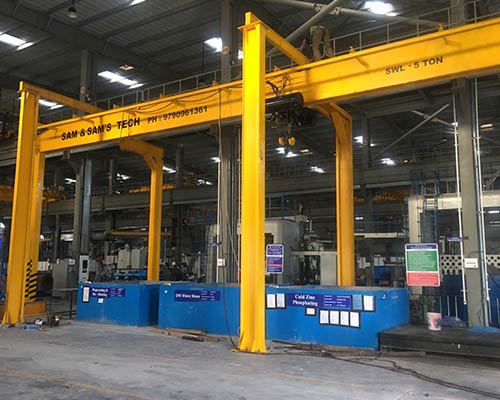
Chennai has a strong industrial base covering automobile manufacturing, engineering, fabrication, logistics, heavy industries, warehouses, and other sectors where EOT cranes play an important role in material handling.
Choosing Goodwill Engineersan experienced EOT Crane Load Test Services in Chennai can provide businesses with convenient inspection scheduling, professional testing, documentation, and support for crane maintenance programs.
Goodwill Engineers can support industrial locations across areas such as Guindy, Ambattur, Sriperumbudur, Oragadam, Poonamallee, Manali, Ennore, Perungudi, Thoraipakkam, Maraimalai Nagar, and surrounding industrial regions, subject to service availability.
Conclusion
EOT cranes are critical material-handling assets, and their safe operation depends on proper inspection, maintenance, testing, and competent operation. EOT Crane Load Test Services in Chennai provide industries with a structured way to assess crane performance under controlled conditions and identify potential issues affecting safe operation.
From new crane commissioning and periodic inspection to post-repair testing and performance verification, professional load testing can support better equipment management. Businesses should select experienced service providers with appropriate testing equipment, qualified personnel, proper documentation practices, and knowledge of applicable requirements.
Regular inspection combined with preventive maintenance and appropriate load testing can help extend equipment service life, reduce unexpected downtime, and support safer material-handling operations.
Get professional EOT Crane Load Test Services in Chennai at Goodwill Engineers for systematic crane inspection, performance verification, safety assessment, and testing support tailored to your industrial requirements.
Frequently Asked Questions – EOT Crane Load Test Services in Chennai
- What is EOT crane load testing?
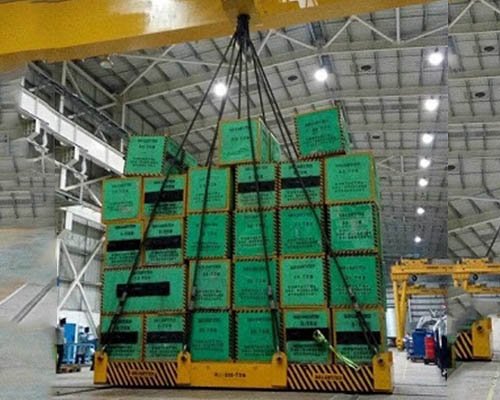
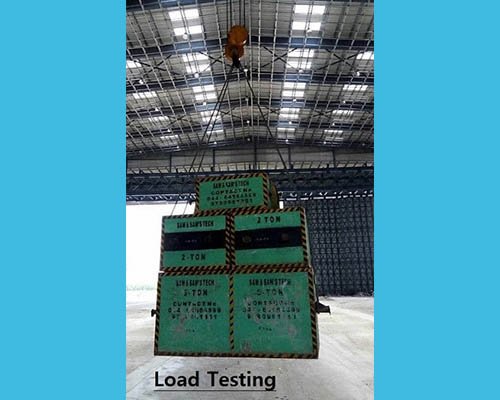
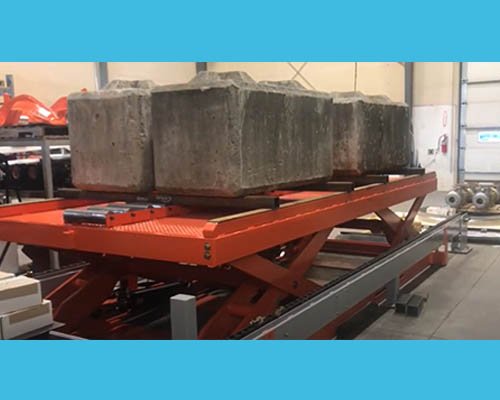
EOT crane load testing is a controlled inspection and testing process used to evaluate the crane’s lifting, lowering, travelling, braking, and safety functions under a specified test load.
- Why is EOT crane load testing important?
It helps assess crane performance, identify potential defects, verify safety functions, support maintenance planning, and meet applicable inspection or statutory requirements.
- When should an EOT crane be load tested?
Testing requirements depend on applicable regulations, crane usage, manufacturer recommendations, inspection schedules, and circumstances such as new installation, major repair, or modification.
- What components are checked during EOT crane testing?
Components may include the hook, wire rope, hoist, brake, motor, gearbox, limit switches, electrical controls, wheels, end carriages, bridge structure, and other relevant safety systems.
- Can EOT cranes be tested after major repairs?
Depending on the nature of the repair or modification, inspection and load testing may be required before returning the crane to normal operation.
- Do EOT crane testing companies provide certificates?
Goodwill EngineersService providers may issue inspection or test reports. Statutory certification requirements vary, so businesses should confirm whether certification must be issued by a designated authority or competent person.
- What test load is used for an EOT crane?
The appropriate test load depends on the crane’s rated capacity and the applicable testing procedure or requirement. It should be determined by competent personnel rather than selected arbitrarily.
- Is load testing the same as routine crane inspection?
No. Load testing is one part of crane assessment. Routine inspections, preventive maintenance, component checks, and functional checks are also important.
- Can EOT crane load testing be performed at industrial sites in Chennai?
Yes, testing can generally be arranged at industrial facilities where suitable access, safety conditions, test arrangements, and equipment are available.
- How do I choose an EOT crane load testing service provider?
Consider the provider’s experience, competent personnel, testing equipment, calibration practices, safety procedures, documentation, and familiarity with applicable crane inspection requirements.